

News
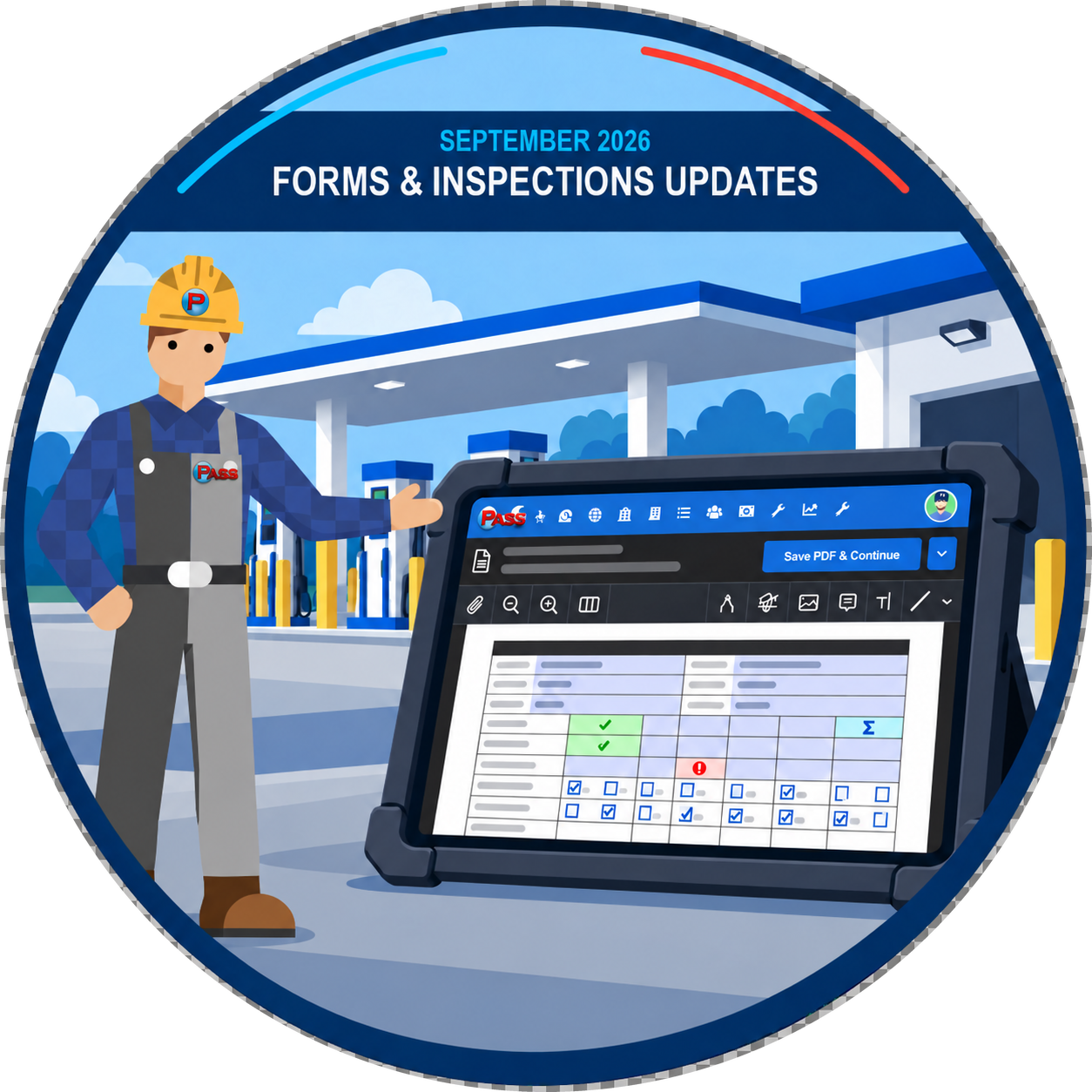
Forms & Inspection Updates (September 2026)
Sixteen forms across four states in September 2026: Nevada's own 30-day and annual walkthrough checklists, Iowa's equipment-based walkthroughs rebuilt on the state checklist, a new New Hampshire test form for aboveground tanks, and eleven revised South Carolina testing and inspection forms.
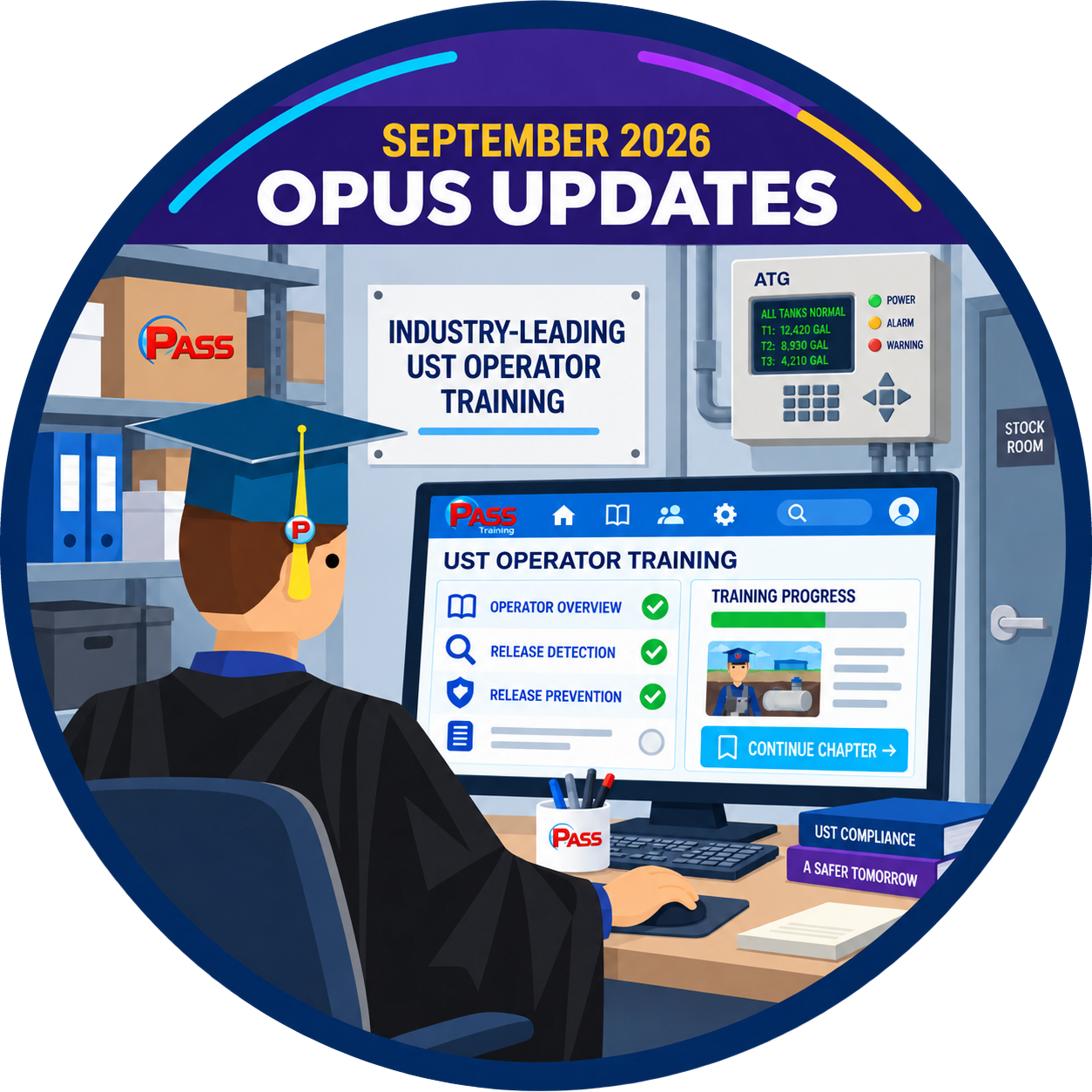
PASS Opus Update: Certificate Corrections, Course Launches & Credits (September 2026)
September was a platform month. Seven changes shipped, and the biggest one hands a job back to the person already holding the paperwork: a Facility Admin can now fix the date on a third-party certificate without borrowing a Company Admin login.
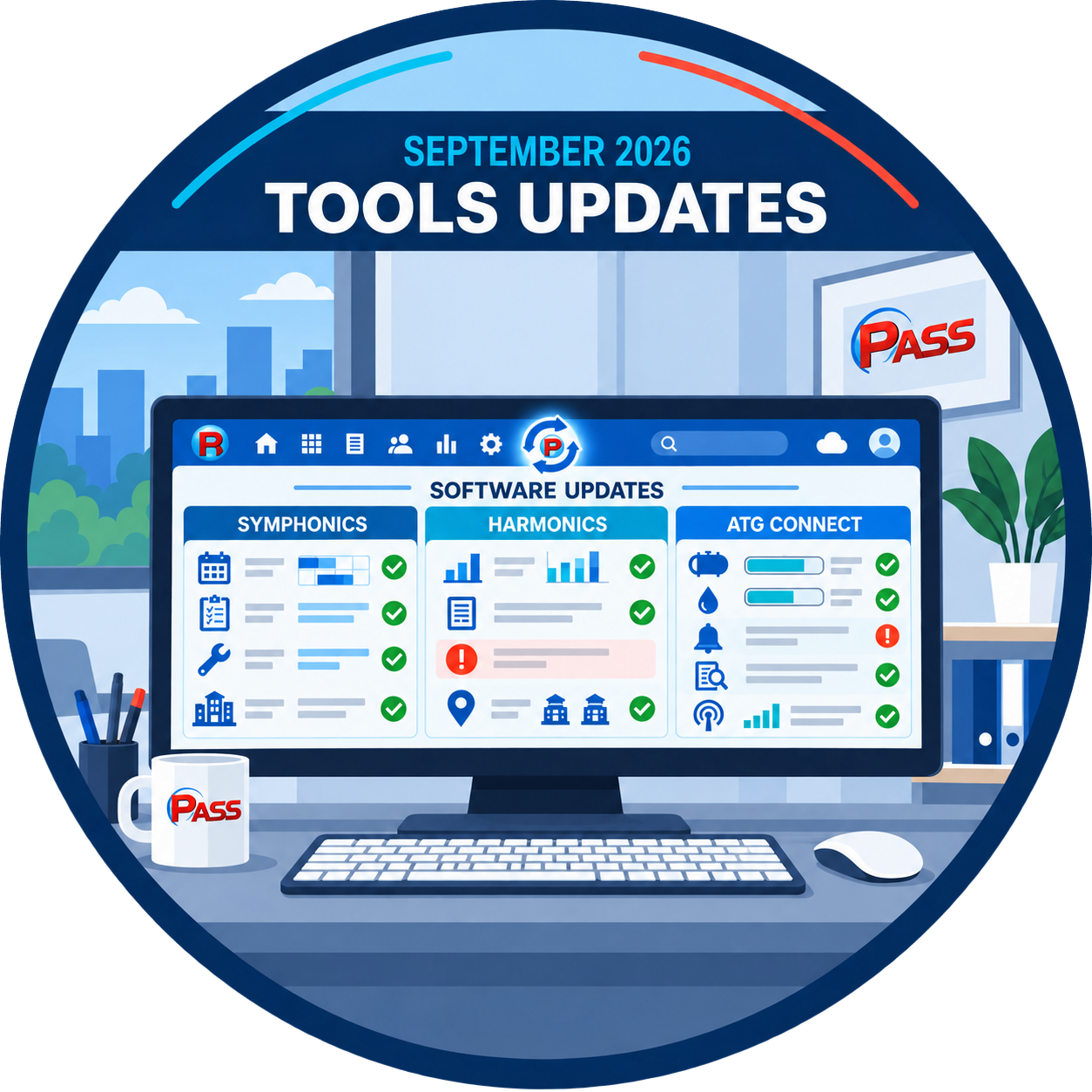
PASS Tools Update: Harmonics, Symphonics & ATG Connect (September 2026)
September brought 39 changes, and most started with a customer telling us something was wrong or missing. You can now see the test results sent in for your sites, print a QR sticker for every compliance book at once, and keep contractors from approving their own work on your plans.
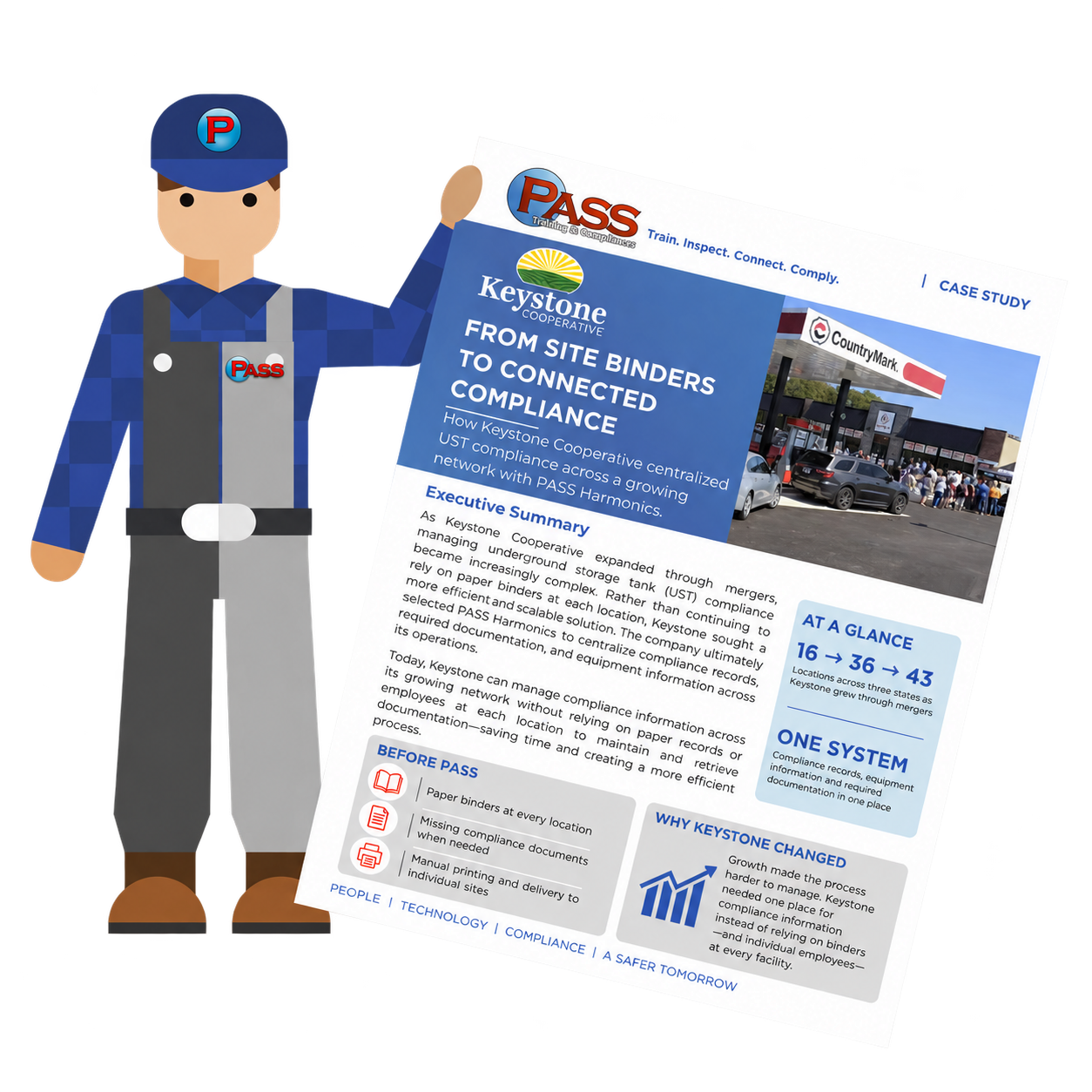
Keystone Cooperative: From Site Binders to Connected Compliance
Keystone Cooperative grew from 16 to 36 to 43 locations in three states through mergers. PASS Harmonics now keeps its compliance records, equipment information and required documents in one system.
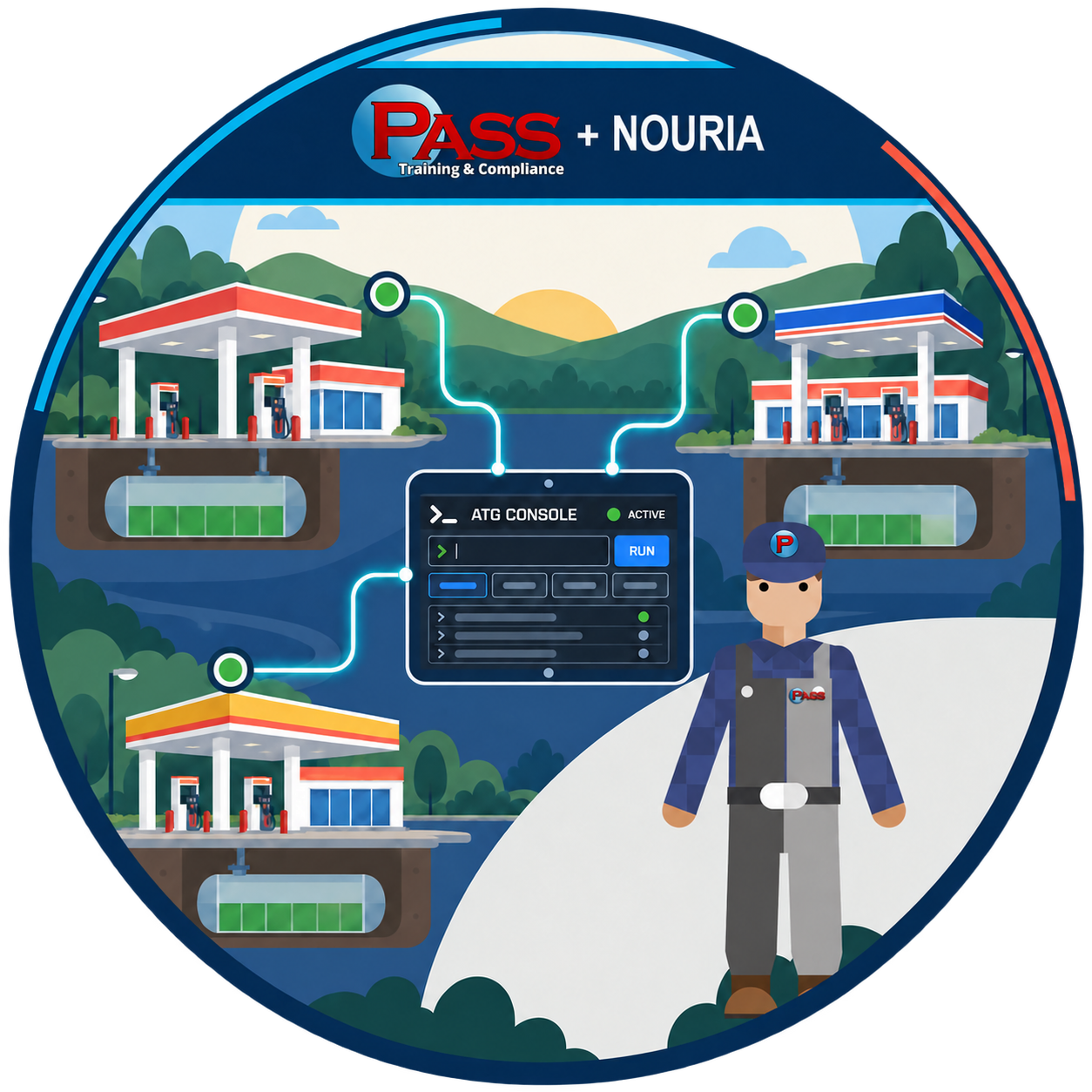
Nouria Energy Expands Compliance Technology Partnership with PASS
Nouria Energy has added Harmonics ATG Connect to the PASS compliance and training tools it already uses. The new module brings tank gauge alarms into the same place Nouria manages its tank compliance.
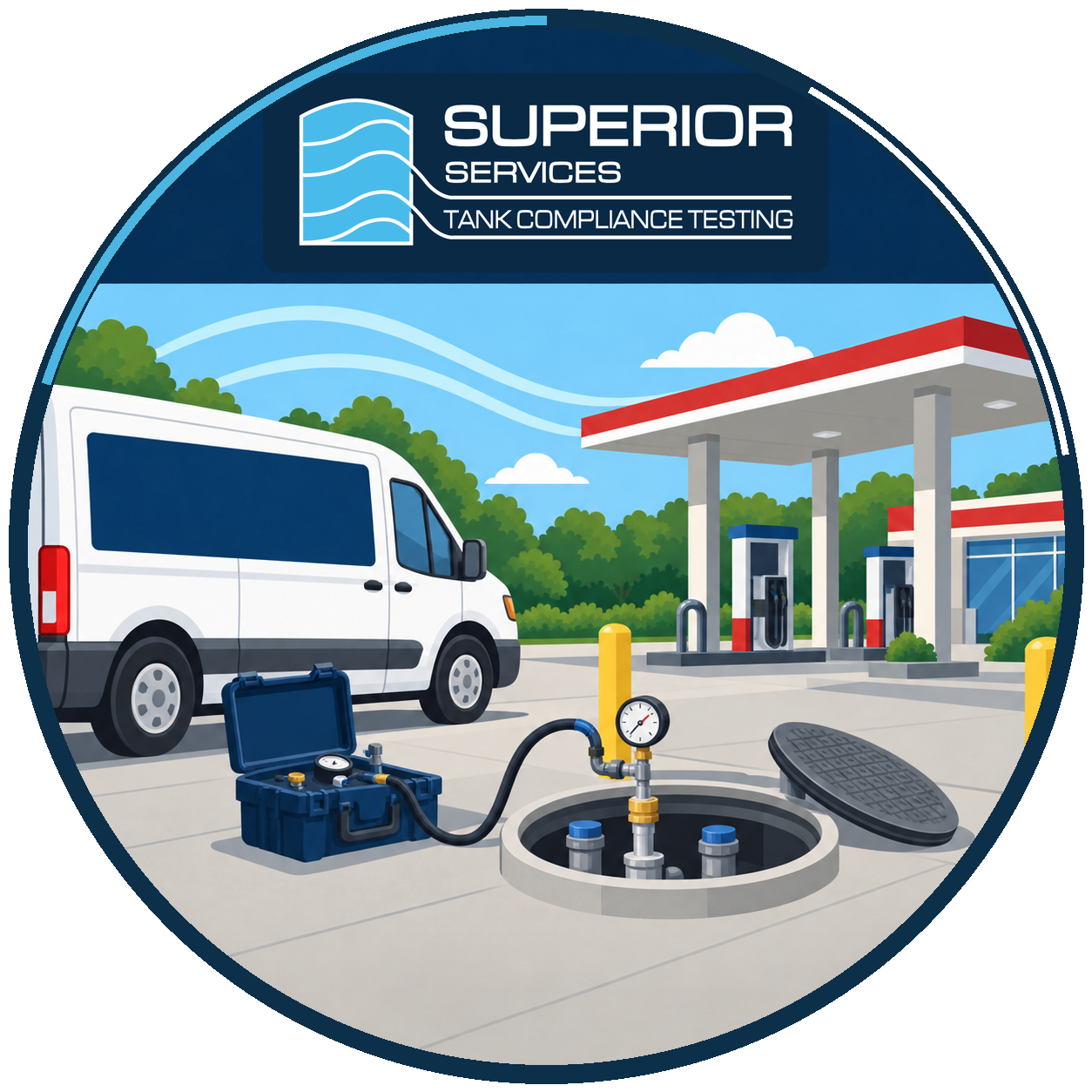
Superior Services Selects PASS Petroleum Compliance Software to Digitize UST Inspections and Field Services
Superior Services has chosen PASS Symphonics Field Services for its petroleum inspection and testing work. Its technicians will do guided digital inspections and turn each problem they find into a clear action item.
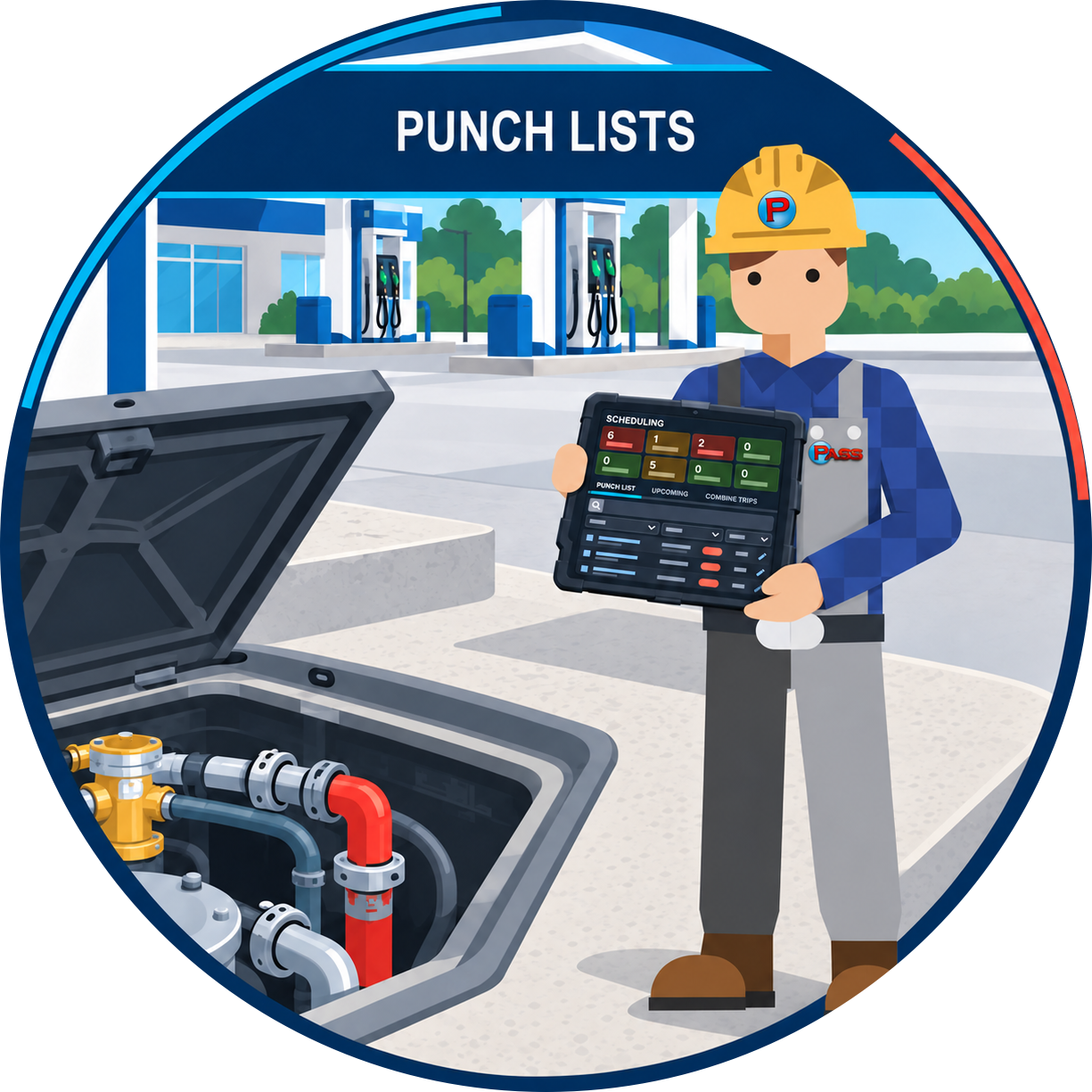
PASS Symphonics Punch Lists: Action Items, Paperwork and Scheduling in One View
Your tech found the problem. Now what? Here are PASS's three punch lists in six screens, and the path a finding takes from the inspection to an approved work order.

Harmonics ATG Connect: Poll, Command and Monitor Your Gauges Remotely
Most owners can see their tank gauges. Fewer can reach them. Here's ATG Connect in six screens, from Poll Now and the ATG Console to the records an inspector asks for.
Forms & Inspection Updates (August 2026)
August was a deep-clean month rather than a build-wide month. The Forms Team reworked North Carolina’s whole functionality testing set, sixteen forms covering piping, sumps, spill buckets, overfill, leak detection and cathodic protection. Two brand-new forms joined the library, and three more picked up the small fixes technicians had been asking for, like an N/A choice on every walkthrough question and line numbers you can actually type into.
PASS Opus Update: State Course Pages, Failed Trainings & Certificates (August 2026)
The biggest change in PASS Opus this month is not a button. It is the course pages. We rewrote 29 of them, one state at a time, so each page names the agency that regulates tanks in that state and links to that agency's own page. Five platform fixes shipped alongside, and one of them stops a failed training from disappearing.
PASS Tools Update: Harmonics, Symphonics & ATG Connect (August 2026)
August was about protecting work done in the field and making records easier to find: smart forms that never quietly drop an answer, a new annual schedule that keeps its anchor, a map of which sites have no region, and an API that can finally write.
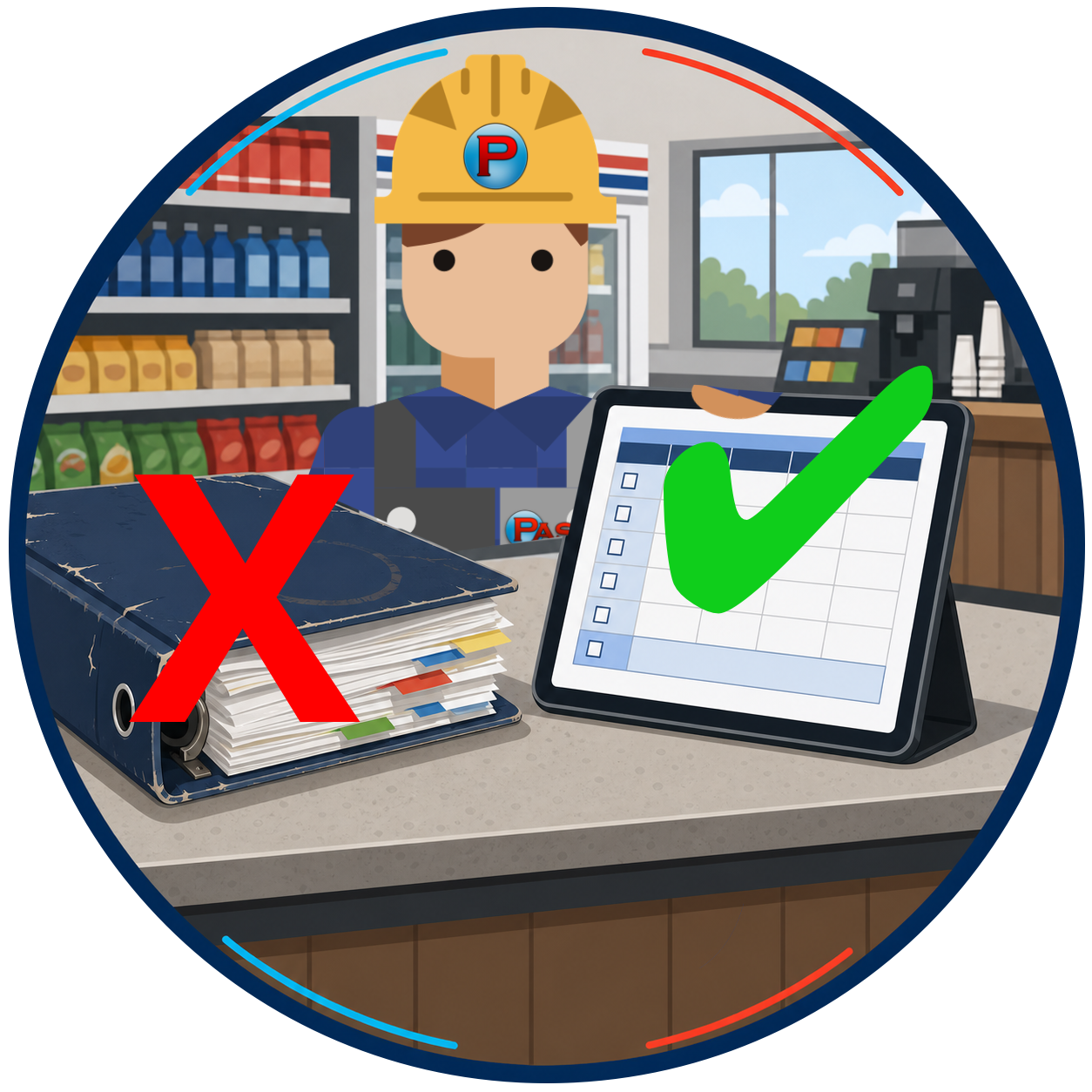
Nobody Is Going Back to Paper
A tech finishes an inspection on a tablet and the result is on the record before he leaves the lot. Forty feet away, the last tightness test is a fax printout in a binder nobody can find. Same site, same Tuesday. Three shifts are running through this industry right now, none of them is reversing, and the cost of waiting is not the one most operators expect.
Class C Training Has No Federal Expiration Date. That's the Problem.
Class C operator training has no federal expiration date. That sounds like relief until you see what it means: nothing in the federal rule will ever tell you to look at a Class C record again. On a site that changes staff every few months, the list is the whole compliance program.

Your UST Records Do Not All Expire on the Same Day
Ask an operator how long UST records have to be kept and most will say three years. The federal rule has at least eight different answers, and half the compliance year is already gone. Here is what to pull at the mid-year mark, how far back each record has to go, and what a walk around the site turns up that no file drawer can show you.
Forms & Inspection Updates (July 2026)
The PASS Forms Team shipped fifty-four new and revised forms in July, led by a complete twenty-four-form North Dakota suite and a nine-form Oklahoma refresh. New Minnesota notification forms, an annual cadence option on two New Hampshire forms, and a fillable line-test set round out the month.

PASS Opus Update: Billing, Enrollment & Certificates (July 2026)
July brought a round of improvements to PASS Opus focused on billing and enrollment. Company discounts now apply automatically, buy-and-assign lands every time, and public certificate verification links open reliably.