

News
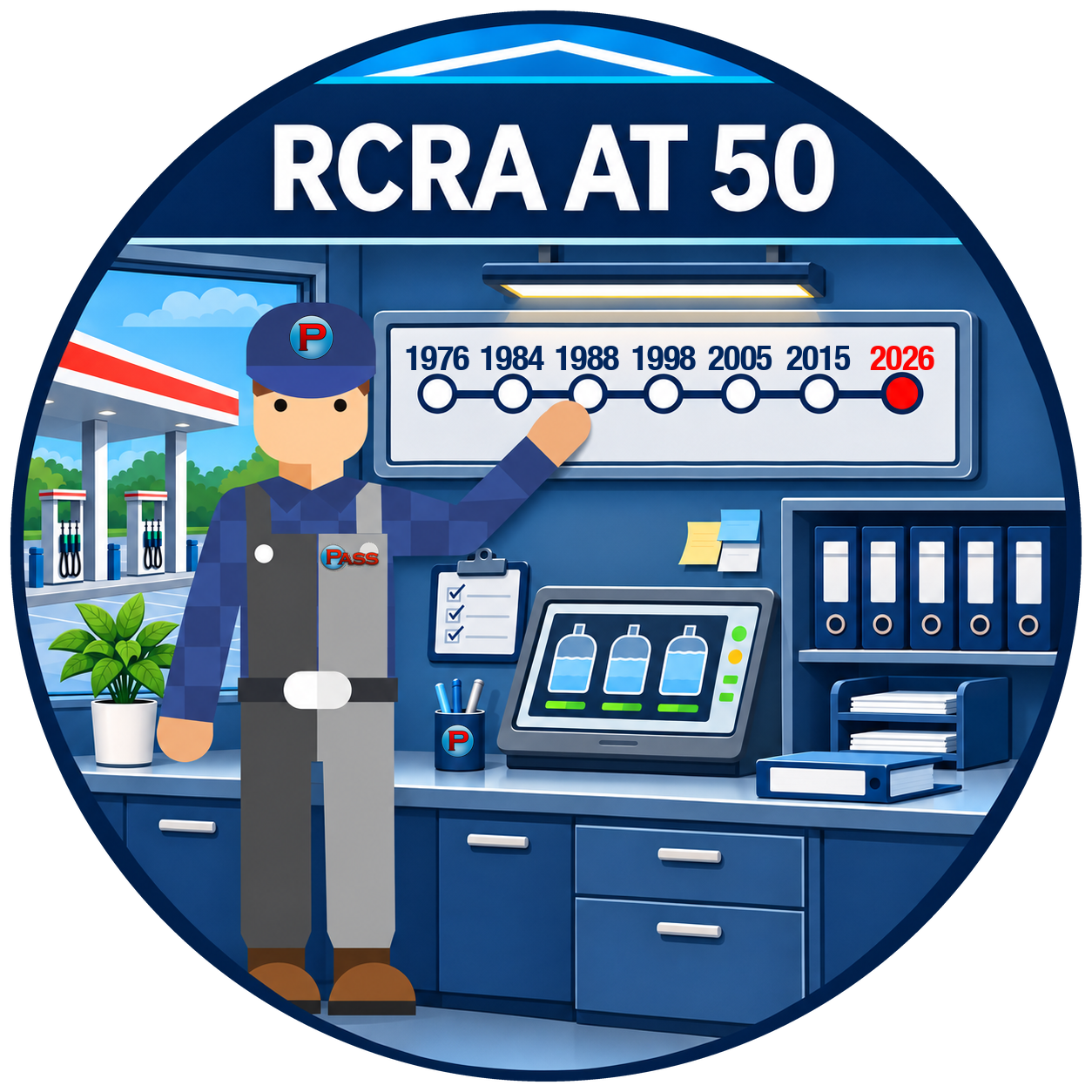
RCRA at 50: What Five Decades Built Into Your Tank Rules
The law behind every tank rule you follow turned 50 on October 21. We trace how the rulebook was built, from bare steel to the 30-day walkthrough. Then we explain what EPA's new cleanup push means if you have an old release site, and what it doesn't change.
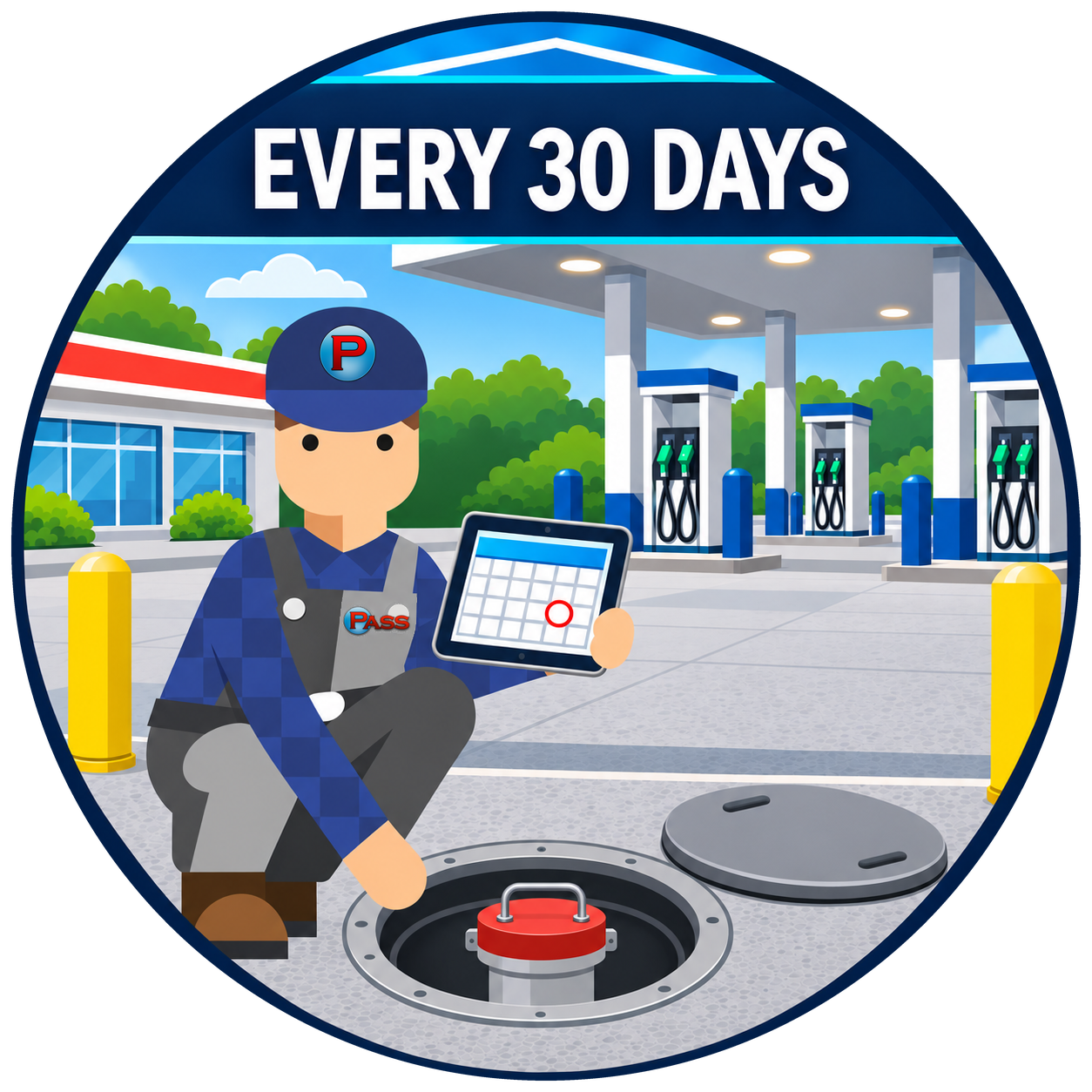
Every 30 Days or Monthly? What the Walkthrough Rule Actually Counts
Most operators call it the monthly walkthrough. The federal rule never says monthly. It says every 30 days, and a calendar month is 30 days only four times a year. Here is what that gap means for your schedule and your records.
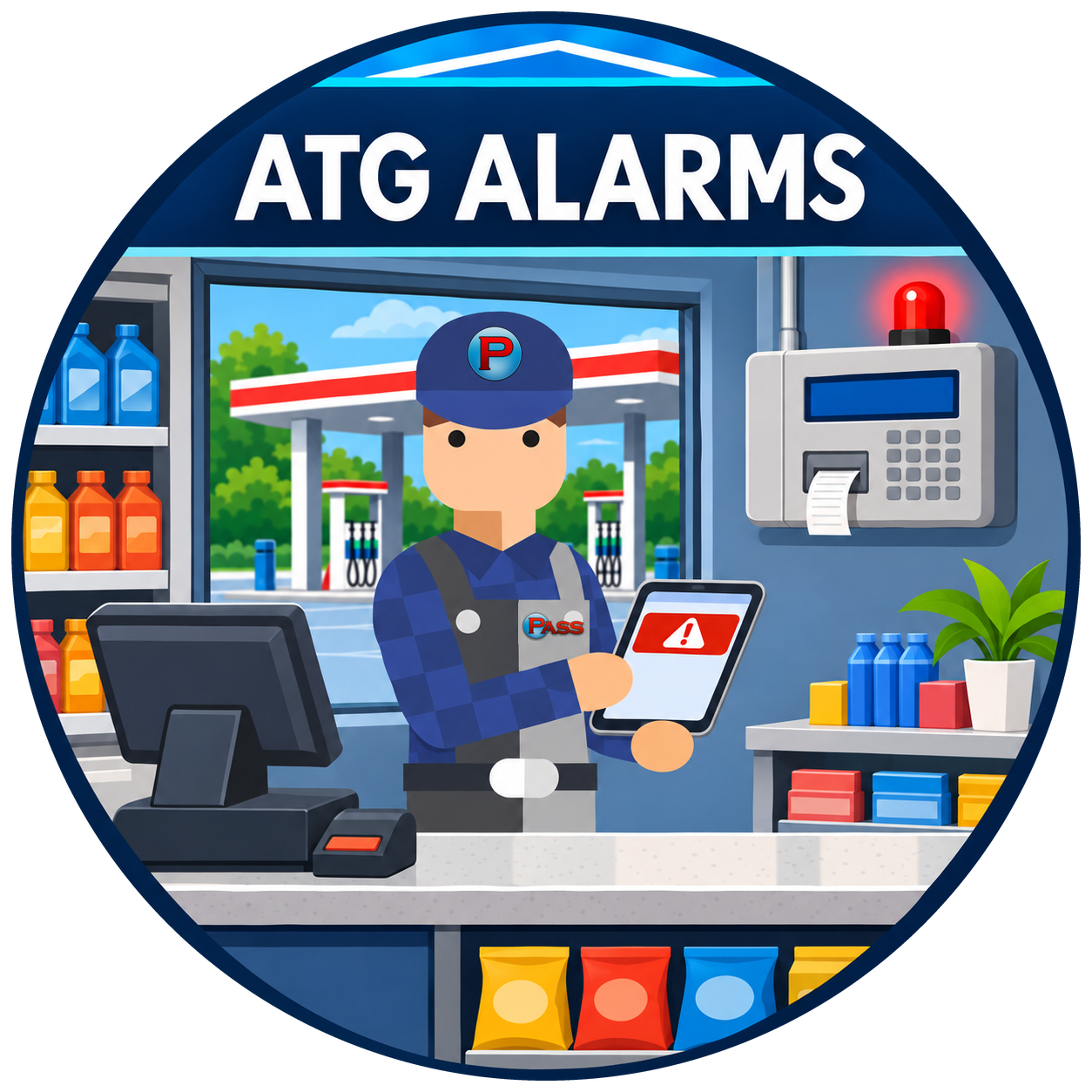
Not Every ATG Alarm Is an Emergency. Some Start a 24-Hour Clock.
Your tank gauge can show dozens of alarms. Federal rules care about a few groups, and some start a 24-hour clock. Here's which ATG alarms matter, what to do about each, and the quiet ones that turn into violations. Look up any alarm in our new tool.

Class C Training Has No Federal Expiration Date. That's the Problem.
Class C operator training has no federal expiration date. That sounds like relief until you see what it means: nothing in the federal rule will ever tell you to look at a Class C record again. On a site that changes staff every few months, the list is the whole compliance program.

Your UST Records Do Not All Expire on the Same Day
Ask an operator how long UST records have to be kept and most will say three years. The federal rule has at least eight different answers, and half the compliance year is already gone. Here is what to pull at the mid-year mark, how far back each record has to go, and what a walk around the site turns up that no file drawer can show you.

Annual or Triennial? The Answer Depends on the Test and the State
Operators assume one calendar covers every UST test. It does not. The required cycle depends on the test type and the state, and getting it wrong in either direction costs you money or your compliance record.

Storm Season Does Not Test Your Tanks. It Tests Your Records.
A hurricane will not ask whether your tanks are in compliance. The inspector who arrives after it will. Here is EPA’s before, during, and after disaster framework, and why every step on it is compliance work you already owed.

What Every Operator Should Know Before Closing a UST
Closing an underground storage tank (UST) is more than a technical step—it’s a critical compliance decision with long-term financial and environmental implications. This guide outlines what operators need to understand before initiating closure, including regulatory requirements, risk considerations, and the key differences between removal and closure in place.

The Quiet Threat in Your UST: What Water Is Really Doing Down There
Water in your underground storage tank is more common than you think—but it doesn’t take much to cause serious problems. Learn how to identify, monitor, and manage water before it impacts your equipment, compliance, or customers

UST Operator Training Isn't One-Size-Fits-All — And That's the Problem
UST operator training requirements aren’t uniform across states — and for multi-state operators, that gap creates real compliance risk. From retraining cycles to Class C documentation, here’s what you need to know.

The Compliance Basics That Still Trip Up Operators
EPA’s FY2025 UST data shows a national Technical Compliance Rate of just 62.9% — meaning nearly four out of ten facilities are still failing on the basics. From undocumented walkthrough inspections to missing release detection records and lapsed operator training, this post breaks down the most common compliance gaps and what operators can do to stay inspection-ready every day.

Compliance Drift: How Small Process Gaps Turn Into Financial Liability
Small compliance gaps—missing walkthrough logs, incomplete release detection records, and undocumented operator training—rarely feel urgent in the moment. But when an inspection occurs, those small process failures can quickly escalate into enforcement findings, civil penalties, and operational disruption.
In this article, we break down how “compliance drift” happens, what regulators actually expect, and how structured, audit-ready systems help operators prevent minor documentation lapses from becoming measurable financial liability.

You Can’t Inspect What You Don’t Understand
Inspections fail when inspectors don’t fully understand the systems they’re evaluating. In UST compliance, knowledge gaps lead to missed issues, inconsistent enforcement, and costly risk for operators. This post explains why deeper understanding—not just checklists—is essential for meaningful inspections and long-term compliance.

When Nature Strikes: Protecting Underground Storage Tanks from Natural Disasters
When natural disasters strike—wildfires, hurricanes, floods, and earthquakes—underground storage tank systems face unique risks. Learn how operators can protect UST and AST systems from damage, prevent releases, and prepare for emergencies with guidance from the EPA and PASS Training & Compliance.

Protecting Your Stores from Compliance Failures—On Both Sides of the Fence
From Hawaiʻi to Indiana, recent enforcement actions prove that compliance failures can cost convenience store owners tens of thousands of dollars. Learn how PASS Harmonics, Symphonics, Connect, Opus, and UST Operator Training help protect your business—on both sides of the fence.

Are You Missing a Required O&M or Emergency Plan? Some States Say “Yes.”
Do You Have the Right Plans in Place?
Some states require written Operations & Maintenance and Emergency Response Plans at UST sites. Learn what’s required—and how PASS Book can help you stay compliant.