The Compliance Basics That Still Trip Up Operators
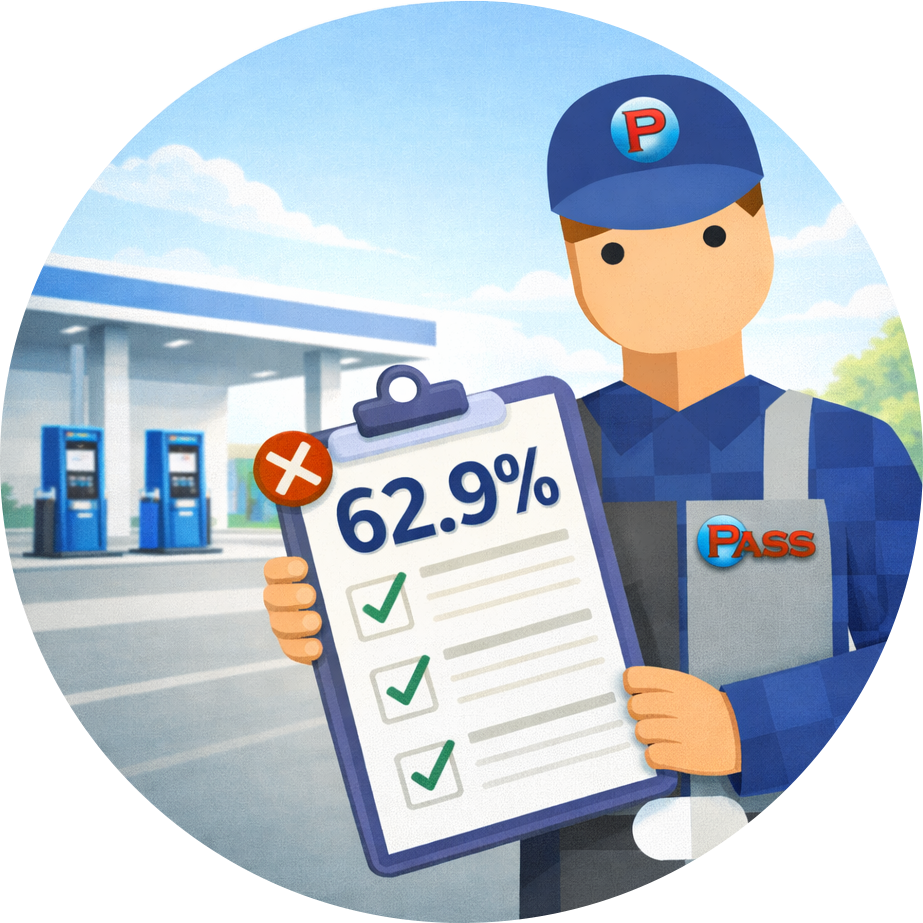
When EPA published its FY2025 UST performance data, one number told the story: 62.9%. That's the national Technical Compliance Rate — the percentage of inspected facilities that met all core technical requirements across spill and overfill prevention, corrosion protection, and release detection. Put another way, nearly four out of every ten facilities inspected last year came up short on the basics.
Not on obscure technicalities. On the fundamentals.
After more than two decades working in UST compliance, I can tell you the pattern hasn't changed much. The facilities that end up with violations aren't usually dealing with catastrophic equipment failures or exotic regulatory scenarios. They're getting flagged for the same handful of issues that come down to documentation, routine maintenance, and operational follow-through.
Here's where it keeps happening.
Walkthrough Inspections That Aren't Getting Done — Or Documented
The 2015 federal UST regulation requires monthly walkthrough inspections of spill prevention and release detection equipment, along with annual checks of containment sumps and other key components. Most operators know this. But when an inspector shows up and asks for records, the documentation either doesn't exist, is incomplete, or hasn't been kept current. A walkthrough that happened but wasn't recorded is, from a compliance standpoint, a walkthrough that didn't happen. If your records can't demonstrate that inspections occurred on schedule and that findings were addressed, you're exposed.
Release Detection Records That Don't Add Up
Release detection is one of the most common areas where facilities fall out of compliance — not because monitoring isn't occurring, but because the records don't tell a clear, consistent story. ATG systems may be running, but alarm logs aren't being reviewed or retained. Line leak detectors may be installed, but operability testing records are missing or out of date. Inspectors are looking for a complete chain: the equipment is in place, it's functioning properly, it's been tested on schedule, and there's a paper trail to prove all of it. Any break in that chain is a finding.
Operator Training Paperwork That Isn't Inspection-Ready
Every UST facility is required to have designated Class A, B, and C operators, and those designations have to be backed by documentation. Federal regulations require that if a facility is found out of compliance, Class A and B operators must complete retraining within 30 days. But the more common issue isn't retraining — it's that the original training certificates aren't on file, operator designations haven't been updated after personnel changes, or the facility can't demonstrate which individual holds which role. This is one of the most straightforward compliance requirements in the program, and it's still one of the most frequently cited.
Spill and Overfill Prevention Equipment That's Present but Not Maintained
Spill buckets and overfill devices are installed at the vast majority of active UST facilities. But installed isn't the same as functional. Spill buckets with standing water, debris, or visible cracks. Overfill devices that haven't been tested or inspected per manufacturer recommendations. These are the kinds of findings that turn a passing inspection into a violation — and they're almost always preventable with basic, routine maintenance.
The Fix Isn't Complicated — It's Consistent
None of these issues require major capital investment or complex engineering. They require consistent operational discipline: scheduled walkthroughs with documented results, organized recordkeeping for release detection and operator training, and routine maintenance of prevention equipment. The facilities that pass inspections year after year aren't doing anything extraordinary. They've just built compliance into their daily operations instead of treating it as something to scramble on before an inspector arrives.
That's exactly what our platform and training programs are designed to support. Harmonics gives operators a centralized system to track inspections, monitor compliance status, and maintain documentation across every facility in their portfolio. And our operator training through PASS ensures that the people responsible for day-to-day compliance actually understand what's expected of them — and have the certifications to prove it.
The national compliance rate tells us the industry still has work to do. But the path to getting it right isn't a mystery. It starts with the basics.
Keep your facilities inspection-ready — every day, not just when the inspector calls.
Harmonics by PASS gives operators the tools to track walkthroughs, manage release detection records, maintain operator training documentation, and stay ahead of compliance deadlines across every location. Pair it with PASS operator training to make sure your team knows the requirements inside and out.
Learn more at passtesting.com or contact us to schedule a demo.