

News

Insurance Underwriters Are Looking at UST Compliance More Closely Than Ever
Insurance carriers are taking a closer look at UST compliance before renewing environmental and liability policies. From documented inspections to verified operator training, underwriters are evaluating whether systems are actively managed—not just installed. Here’s what operators need to know to protect both compliance standing and insurability.
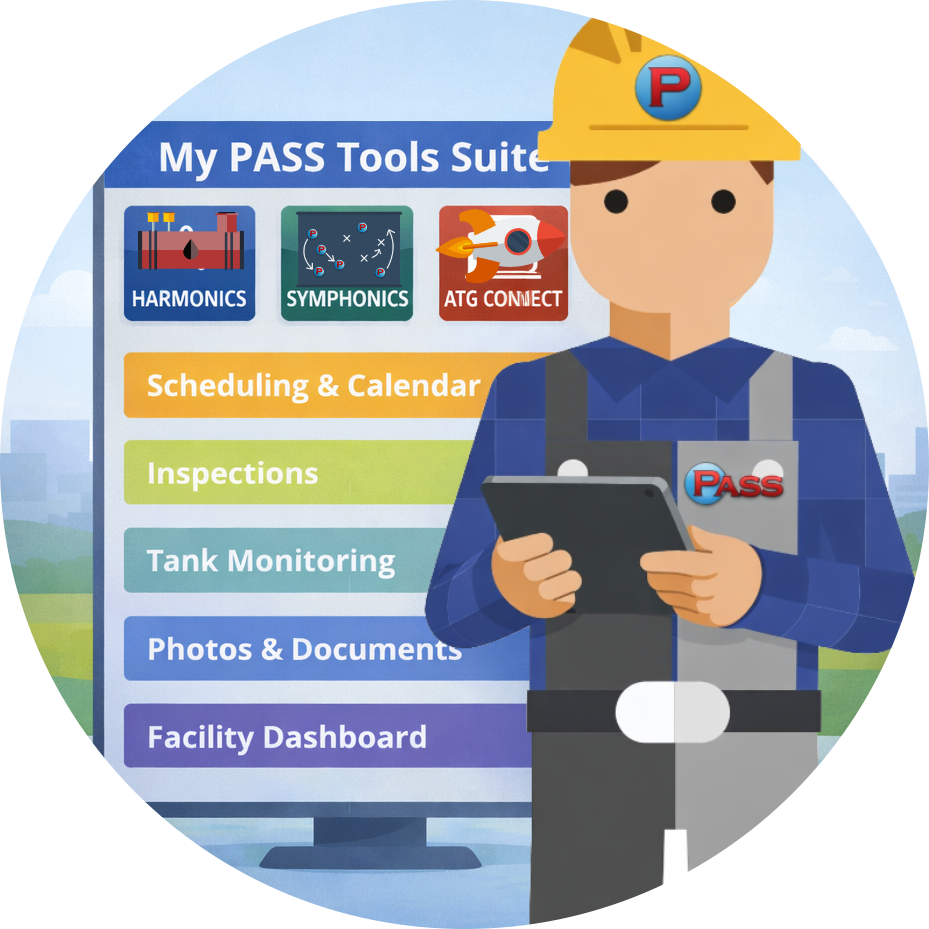
February Platform Enhancements to PASS Harmonics, Symphonics & ATG Connect
PASS Tools continues to evolve. This month’s platform enhancements across Harmonics, Symphonics, and ATG Connect deliver major improvements to scheduling efficiency, inspection intelligence, tank monitoring reliability, photo handling, reporting, and integrations — all designed to strengthen operational visibility and compliance performance.
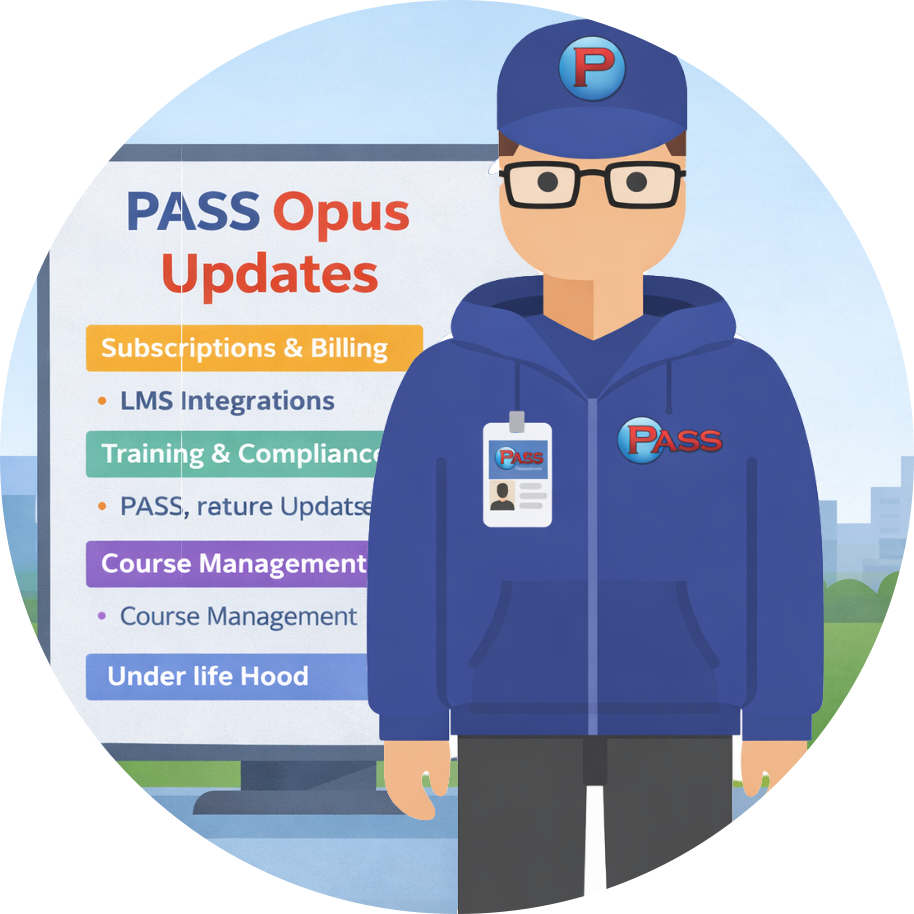
February PASS Opus Feature Update
PASS Opus continues to evolve with expanded subscription flexibility, deeper LMS integration, enhanced compliance controls, and improved platform stability. This update introduces SCORM 1.2 support, state-based sign-off configuration, improved retraining workflows, and multiple performance enhancements designed to streamline administration and integration.

Compliance Drift: How Small Process Gaps Turn Into Financial Liability
Small compliance gaps—missing walkthrough logs, incomplete release detection records, and undocumented operator training—rarely feel urgent in the moment. But when an inspection occurs, those small process failures can quickly escalate into enforcement findings, civil penalties, and operational disruption.
In this article, we break down how “compliance drift” happens, what regulators actually expect, and how structured, audit-ready systems help operators prevent minor documentation lapses from becoming measurable financial liability.
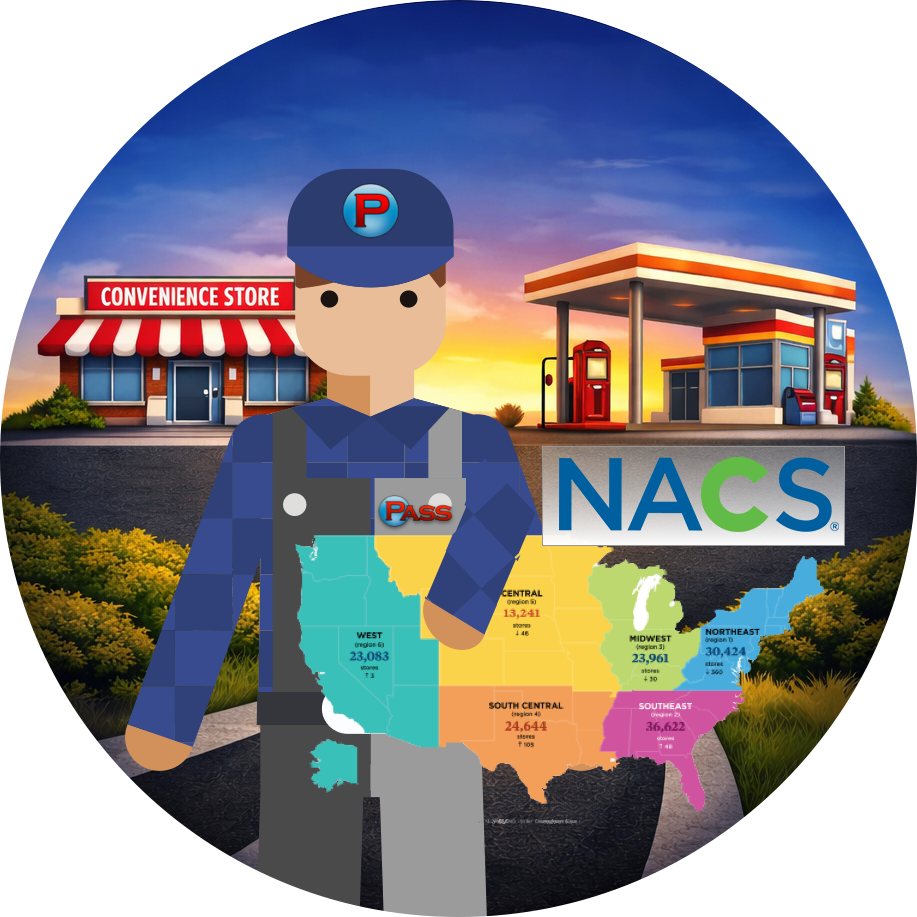
Convenience Stores Aren’t Disappearing — They’re Consolidating
Convenience store count declined slightly in 2026, but fuel-selling locations reached an eight-year high. The footprint may be stable, but consolidation and rising operational complexity continue reshaping the industry.

You Can’t Inspect What You Don’t Understand
Inspections fail when inspectors don’t fully understand the systems they’re evaluating. In UST compliance, knowledge gaps lead to missed issues, inconsistent enforcement, and costly risk for operators. This post explains why deeper understanding—not just checklists—is essential for meaningful inspections and long-term compliance.
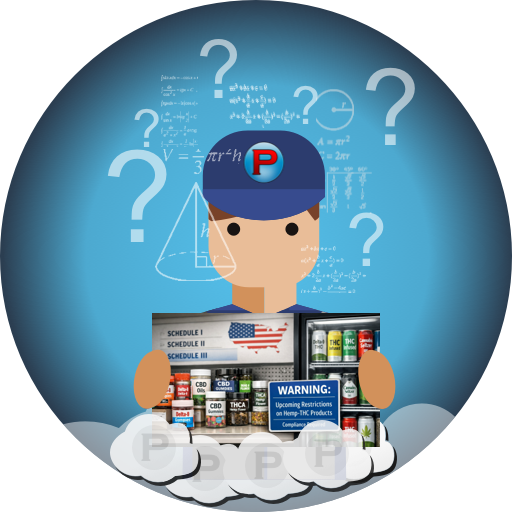
Schedule III Headlines vs. the Real Retail Bombshell
Schedule III headlines may sound like a win for cannabis reform—but for mainstream retailers, they’re missing the real story. While marijuana remains off-limits, hemp-derived THC products are squarely in regulators’ crosshairs, creating compliance risks that convenience stores can’t afford to ignore. The real retail bombshell isn’t what’s changing federally—it’s what’s coming next at the state level.
Why “Good Enough” Compliance Is No Longer Enough
Good enough” compliance may check a box—but it no longer protects organizations from real-world risk. As regulations evolve and operations become more complex, relying on fragmented processes, institutional memory, and last-minute documentation leaves critical gaps. True compliance today requires a continuous, system-driven approach that delivers visibility, accountability, and confidence before regulators ever arrive.
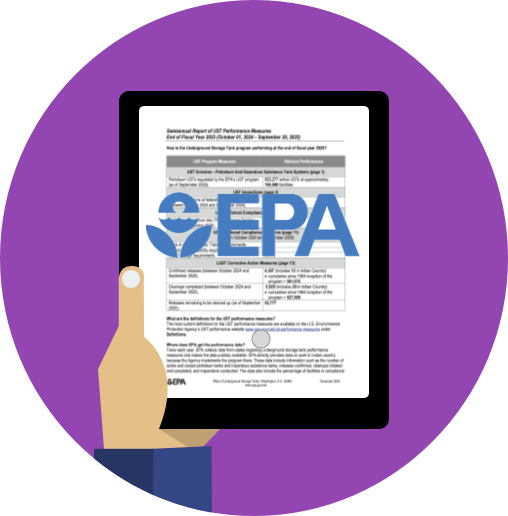
EPA’s FY2025 UST Performance Measures Are Out — Here’s the Story Behind the Tables
EPA’s FY2025 UST performance measures show where compliance is slipping nationwide. We break down what the data really says, why it matters, and where operators and regulators should be paying attention.
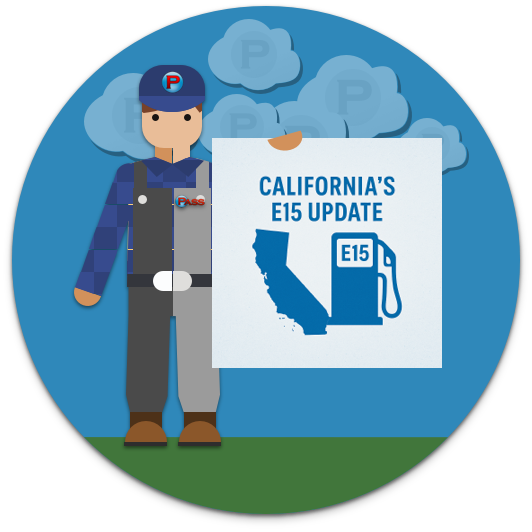
What California’s E15 Update Means for Retailers: A Practical Look at Compatibility, Risk, and Best Practices
California’s new authorization of E15 brings fresh compliance considerations for UST operators. This article breaks down the risks—phase separation, corrosion, and ATG anomalies—and outlines the steps retailers should take now to verify compatibility, strengthen inspections, and stay ahead of evolving state requirements.
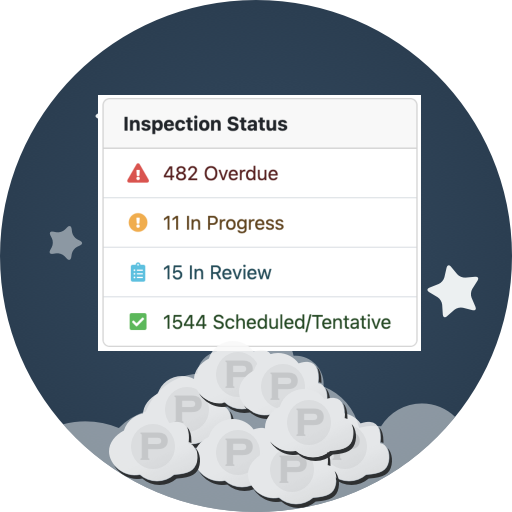
New PASS Symphonics Dashboard: At-a-Glance Insights for Service Providers
Discover how the new PASS Symphonics Dashboard gives service providers instant visibility into inspection status, overdue tasks, open violations, and real-time compliance gaps across all managed facilities—helping teams stay proactive and focused.
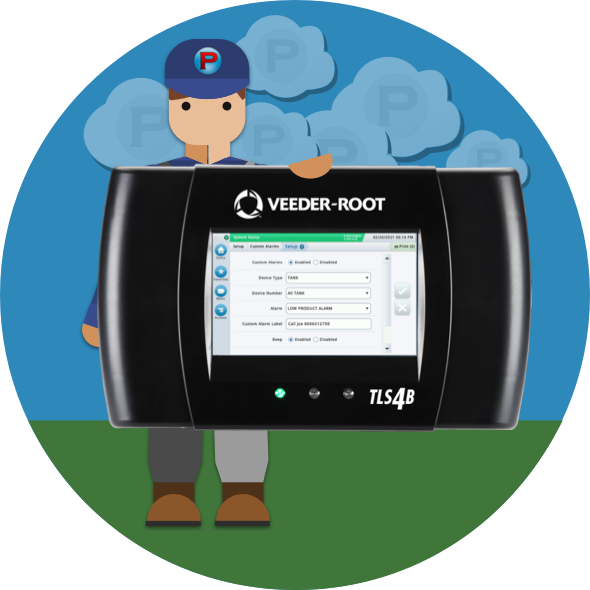
CISA Warns of Critical Veeder-Root Vulnerabilities Allowing Attackers to Execute System-Level Commands
CISA has issued an urgent advisory warning of two critical vulnerabilities affecting Veeder-Root TLS4B Automatic Tank Gauge systems—flaws that could allow attackers to execute system-level commands or disrupt fuel-monitoring operations. This article breaks down the risks, the newly released patch, and why isolating ATG systems with PASS Connect is now more important than ever.

New PASS Symphonics Dashboard: At-a-Glance Insights for Service Providers
The new PASS Symphonics Dashboard gives service providers a unified command center for monitoring compliance across all managed facilities. With smart widgets, role-based visibility, and faster performance, teams can now identify risks, track inspections and paperwork, and take action on issues—all from a single, intuitive interface.

Connecting the Compliance Ecosystem: The Power of the PASS API
The PASS API empowers operators and service providers to connect their systems directly with PASS—securely, efficiently, and without custom development. Learn how these endpoints create seamless data integration across the compliance ecosystem.

When Nature Strikes: Protecting Underground Storage Tanks from Natural Disasters
When natural disasters strike—wildfires, hurricanes, floods, and earthquakes—underground storage tank systems face unique risks. Learn how operators can protect UST and AST systems from damage, prevent releases, and prepare for emergencies with guidance from the EPA and PASS Training & Compliance.

Virginia DEQ Adopts Tiered Compliance Process for UST Inspections
The Virginia Department of Environmental Quality (DEQ) will roll out a new tiered compliance process for UST inspections beginning October 1, 2025. The change replaces the one-size-fits-all approach with responses based on the severity and context of violations, making enforcement more transparent, fair, and efficient.